

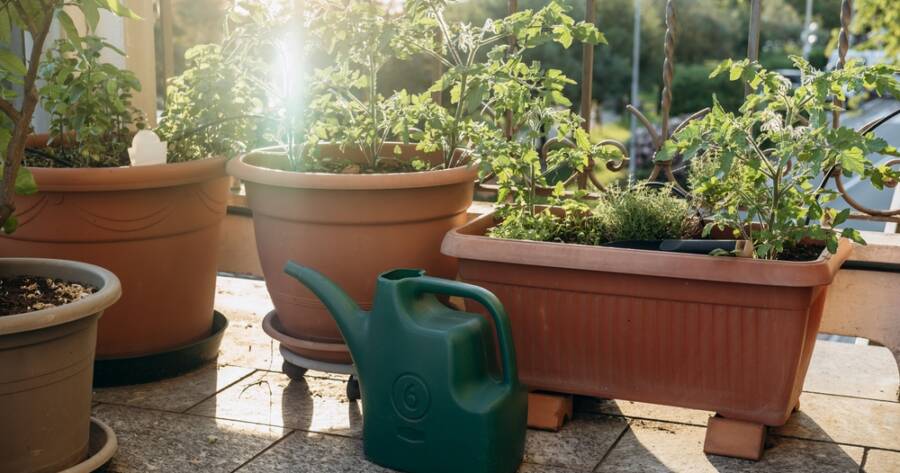
For Americans living in apartments, condos, and tight city quarters, the dream of growing fresh food often runs into a simple problem: no yard. A balcony, however, is more than enough room to raise herbs that will keep your kitchen stocked all year long. With the right containers, the right plants, and a little planning around light and temperature, even a small outdoor ledge can become a working herb garden that produces through every season.
Pick Containers and Plants That Suit a Small Space
Balconies are tight, so the right containers matter. Rectangular planters, square pots, and railing-mounted boxes use space more efficiently than large round pots, and they free up floor area for foot traffic. Every container should have drainage holes to keep roots from sitting in water, which is one of the most common causes of plant death in container gardens.
The herbs themselves should suit the space, too. Basil, oregano, thyme, lavender, and chives have shallow root systems and work well in small containers and vertical setups. Mint spreads aggressively underground, so it should always have its own pot. Rosemary is durable, drought-resistant, and a reliable staple for balcony growers in most U.S. climates.
Get the Light Right
Most herbs need around eight hours of direct light each day when grown outdoors, though some tolerate as little as six. Basil wants the strongest light, while parsley can tolerate somewhat less. Before setting up your balcony, watch the sun move across the space for a day to see which spots get the most direct light, and put your sun-lovers in those corners.
If your balcony is shaded for part of the year, or you live in a northern city with shorter winter days, LED grow lights can extend the growing season. Many indoor herb setups run 12 to 16 hours of light per day. For herbs like basil, positioning a grow light about 12 to 24 inches above the plants gives them what they need without burning the leaves.
Plan for Cold Weather Before It Hits
Year-round growing on a balcony is mostly about handling the cold months. Tender herbs like basil will die at the first frost, so they need to come inside before nighttime temperatures drop near freezing. Other herbs, including sage, rosemary, thyme, oregano, and mint, can transition indoors and keep producing fresh leaves through the winter.
Move plants gradually. Bringing pots in only at night and slowly extending the indoor time over a couple of weeks helps the plants adjust to lower light and drier indoor air. Once inside, place pots in a south-facing window that gets six to eight hours of sunlight, water sparingly when the top two inches of soil feel dry, and mist or use a pebble tray to keep humidity up.
Add a Smart Indoor System for True Year-Round Yield
If your winters are long or your balcony has limited light, a small countertop hydroponic system can carry the off-season. AeroGarden and Click & Grow are two well-known brands that sell self-contained units with built-in LED grow lights, water reservoirs, and seed pods designed for fast growth. AeroGarden states its systems can grow plants up to five times faster than soil.
These systems range from small three-pod units to larger setups for more ambitious growers. Click & Grow is generally praised for being almost hands-off — water and electricity are the main inputs — while AeroGarden offers more flexibility for users who want to swap in their own seeds. Both can keep a kitchen supplied with fresh basil, parsley, chives, and dill long after balcony plants slow down for the year.
Care Routines That Keep Plants Producing
Even with the right setup, herbs need consistent care to keep producing leaves rather than running to seed. Water when the top inch of soil feels dry, and reduce watering frequency in cooler months. Harvest often by pinching off the top sets of leaves, which encourages branching and prevents plants from flowering too early in the season.
Feeding matters in containers. Potting soil runs out of nutrients faster than garden ground, so a diluted liquid fertilizer every few weeks during active growth helps. Rotate pots every few days so all sides of the plant get equal sun. Watch for pests like aphids and spider mites, which can spread quickly in the tight quarters of a balcony.
A Kitchen Supply That Lives Right Outside the Door
A balcony herb garden is one of the most rewarding ways to add fresh flavor to your meals while making the most of a small space. With careful container choices, attention to light, a plan for the cold months, and a small indoor backup system, you can have fresh basil, mint, rosemary, and thyme within reach in every season — no matter the U.S. climate zone you live in.
Start small. A few pots and a single sunny corner are enough to begin. Once you see how easy it is to step outside and snip what you need, expanding the garden becomes the natural next step.