

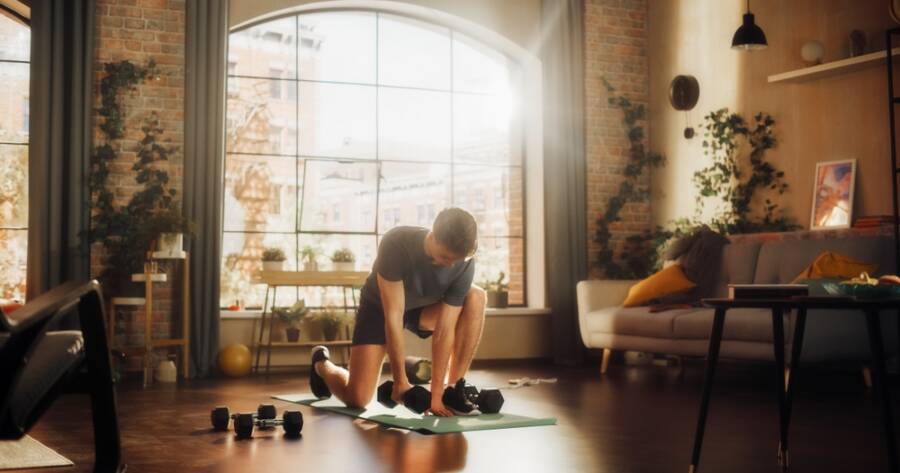
Creating a home workout system does not require a large space or bulky machines. Many people are now choosing compact fitness equipment to stay active without leaving home. The ideal equipment saves time, offers flexibility, and makes it easier to stay consistent. With the right setup, even a small area can become an effective workout space. The key is choosing simple equipment, building a clear routine, and creating a system that fits your daily life.
Choosing the Right Compact Equipment
The first step is selecting equipment that fits your space and supports a variety of exercises. Compact fitness tools are designed to be easy to store and simple to use. Popular options include resistance bands, adjustable dumbbells, jump ropes, and foldable yoga mats. These items take up little room but allow for full-body workouts.
When choosing equipment, focus on versatility. Resistance bands can be used for strength training, stretching, and warm-ups. Adjustable dumbbells allow you to increase weight without needing multiple sets. A jump rope supports cardio training in a small area. By choosing multi-use items, you can build a complete system without cluttering your home. Keep your selection simple at first, then expand only if needed.
Designing a Functional Workout Space
Even a small corner can become an effective workout area if it is set up properly. Look for a space with enough room to move freely without hitting walls or furniture. Clear the area of unnecessary items so you can focus on your workout without distractions.
Good lighting and airflow can improve your experience. If possible, choose a spot near a window or use a fan to keep the space comfortable. Storage also matters. Use a small rack, basket, or wall hooks to keep your equipment organized. When your space is clean and ready to use, it becomes easier to stay consistent. You remove barriers and make workouts part of your routine.
Building a Simple and Balanced Routine
A home workout system works best when it includes a clear plan. Start with a simple routine that covers strength, cardio, and flexibility. You do not need long sessions. Short, focused workouts can still be effective when done regularly.
For strength training, use resistance bands or dumbbells for exercises like squats, presses, and rows. For cardio, include jump rope sessions or bodyweight movements like jumping jacks. For flexibility, add basic stretching or short yoga sessions. Aim for a routine that you can follow several times a week without feeling overwhelmed. Keeping it simple helps you stay consistent over time.
Using Digital Tools for Guidance
Many people find it helpful to use digital tools to guide their workouts. Fitness apps and online videos can provide structure and variety without the need for a personal trainer. These tools often include guided routines, timers, and progress tracking.
You can follow workout programs that match your goals, whether that is strength, endurance, or general fitness. Some apps allow you to build custom routines based on the equipment you have. This makes it easier to stay on track and avoid guessing what to do each day. Digital tools can also keep workouts interesting by introducing new exercises over time.
Staying Consistent and Motivated
Consistency is the most important part of any fitness system. Even the best equipment and routines will not help if they are not used regularly. To stay consistent, schedule your workouts like any other task. Choose a time that fits your daily routine and stick to it as much as possible.
Motivation can change from day to day, so it helps to create habits instead of relying on motivation alone. Keep your equipment visible and easy to access. Track your progress, even if it is small. Seeing improvement over time can encourage you to continue. It can also help to set simple goals, such as completing a certain number of workouts each week.
Adjusting Your System Over Time
Your workout system should grow with you. As your fitness level improves, you may need to increase resistance, try new exercises, or extend your workout time. This keeps your routine effective and prevents boredom.
At the same time, listen to your body. If something feels too difficult or causes discomfort, adjust your routine. Rest and recovery are just as important as exercise. A flexible approach helps you maintain your system without feeling pressured. Over time, your home workout setup can become a reliable part of your lifestyle.
Building a System That Works for You
Creating a home workout system with compact fitness equipment is a practical and flexible way to stay active. By choosing simple tools, setting up a functional space, and following a clear routine, you can build a system that fits your life.
The goal is not to create a perfect setup, but one that you will use regularly. With consistency and small adjustments over time, your home workouts can become an easy and lasting habit.