

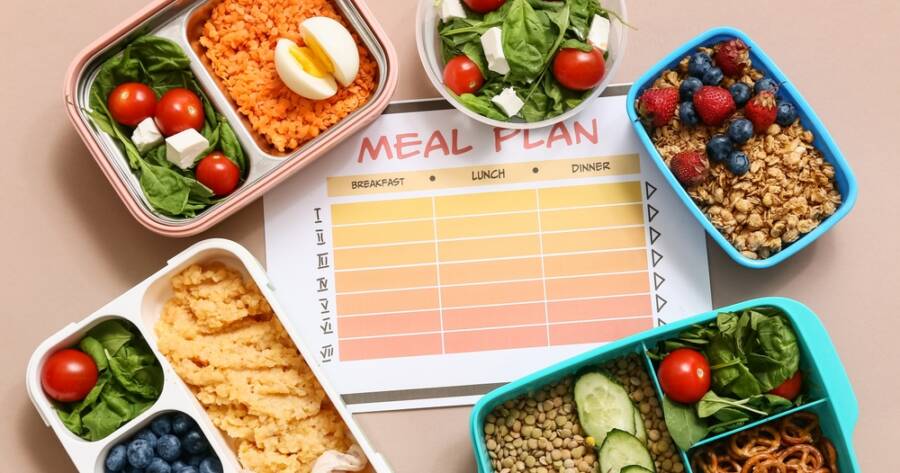
Busy family schedules can make it hard to plan meals, especially when time is limited and everyone has different needs. Without a plan, it often leads to last-minute decisions, extra spending, or less balanced meals. A simple meal planning system can reduce stress and make daily routines easier. With a few practical strategies, families can save time, stay organized, and make mealtime more predictable without adding extra work to an already full schedule.
Start with a Weekly Meal Plan
One of the most effective strategies is planning meals for the week ahead. This does not need to be detailed or complicated. A simple list of meals for each day can provide enough structure to guide your grocery shopping and daily prep. Several popular meal planning apps can also help you organize your schedule.
Planning ahead helps reduce decision-making during busy evenings. Instead of wondering what to cook, you already have a plan in place. This also helps ensure that you have the right ingredients on hand, which can prevent last-minute trips to the store.
Choose Meals That Repeat
Trying new recipes every day can quickly become overwhelming. A more practical approach is to rotate a set of familiar meals that your family already enjoys. These can be used on a regular schedule, such as assigning certain types of meals to specific days.
For example, you might have a pasta night, a simple protein and vegetable night, or a leftovers night each week. Repeating meals reduces planning time and makes grocery shopping more predictable. It also creates a routine that everyone in the family can follow.
Prep Ingredients in Advance
Preparing ingredients ahead of time can make a big difference during the week. This might include washing and cutting vegetables, cooking grains, or portioning out ingredients for meals. Even small steps can save time later.
This strategy works well because it spreads the effort across the week instead of concentrating it all at once. When it is time to cook, much of the work is already done. This makes it easier to prepare meals quickly, even on busy days.
Keep a Short List of Go-To Meals
Every family benefits from having a list of reliable meals that can be made quickly. These are simple options that require minimal preparation and use ingredients you often have on hand.
Having these meals ready as a backup can reduce stress when plans change. If a day becomes more hectic than expected, you can still prepare a meal without starting from scratch. This flexibility helps keep your routine consistent.
Use Leftovers as Part of the Plan
Leftovers can be a useful part of meal planning rather than an afterthought. Cooking slightly larger portions allows you to use leftovers for another meal later in the week.
This reduces the number of times you need to cook and helps save time. Leftovers can be used as quick lunches or turned into a different meal with a few simple changes. Planning for leftovers makes your system more efficient.
Organize Grocery Shopping Around Your Plan
A meal plan works best when it is connected to a clear grocery list. Once your meals are planned, you can create a list based on the ingredients you need. This helps you stay focused while shopping and avoid unnecessary purchases.
Shopping with a plan also reduces food waste. You are more likely to use what you buy because it is tied to specific meals. This keeps your kitchen organized and supports a smoother weekly routine.
Keep Your Plan Flexible
While structure is helpful, flexibility is just as important. Not every week will go exactly as planned, and that is normal. Leaving room for adjustments can help you stay consistent without feeling restricted.
For example, you can swap meals between days or use a backup option when needed. A flexible plan is easier to maintain because it adapts to your schedule. This makes it more sustainable over time.
Get the Whole Family Involved
Meal planning becomes easier when everyone has a role. Asking family members for input on meals can make the plan more enjoyable and increase the chances that everyone will eat what is prepared.
Older kids can also help with simple tasks like preparing ingredients or setting the table. This not only reduces your workload but also builds useful skills. Involving the family turns meal planning into a shared effort rather than a solo task.
Creating a System That Works for Your Family
Meal planning does not need to be complicated to be effective. By using simple strategies like weekly planning, repeating meals, and preparing ahead, busy families can create a system that saves time and reduces stress.
The key is to keep the process practical and flexible. A plan that fits your routine is more likely to last. With a consistent approach, mealtime can become easier to manage and more enjoyable for everyone involved.