

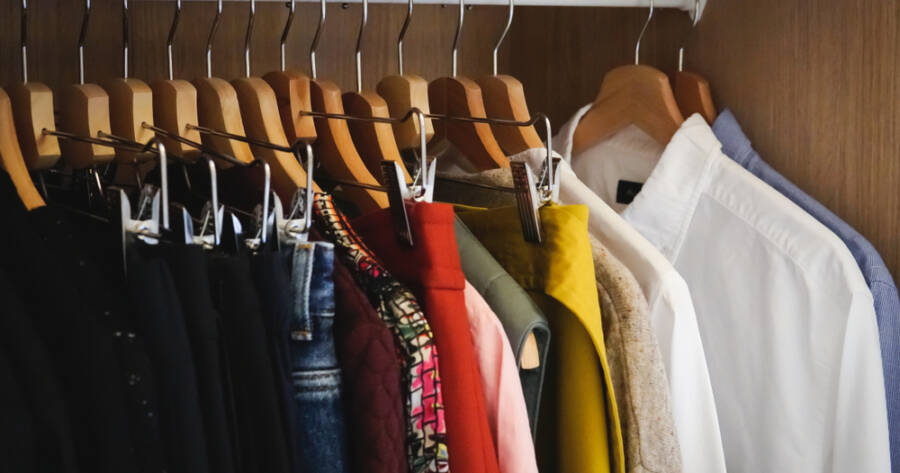
Getting dressed should feel simple, not stressful. Yet many closets are filled with items that are rarely worn or hard to match. A minimalist wardrobe focuses on fewer pieces that work well together and fit your daily life. The goal is not to own less for the sake of it, but to own what you actually use. With a thoughtful approach, you can build a wardrobe that works year-round and makes everyday decisions easier.
Start by Defining Your Daily Needs
Before removing anything, it helps to understand what you actually wear. Your wardrobe should reflect your routine, not an ideal version of it. Think about your work, social life, and typical activities during the week.
For example, if you spend most of your time in casual settings, you may not need many formal pieces. On the other hand, if your job requires specific clothing, those items should be a priority. Building your wardrobe around real habits helps ensure that every piece has a purpose.
Choose Versatile, Easy-to-Match Pieces
A minimalist wardrobe works best when items can be combined in different ways. Neutral colors and simple designs make it easier to mix and match without much effort. This reduces the need for a large number of clothes.
Focus on pieces that can be worn across different situations. A simple shirt that works for both casual and slightly dressier settings is more useful than something with limited use. The more flexible each item is, the fewer pieces you need overall.
Build Around Layers for All Seasons
Creating a wardrobe that works year-round means thinking in layers. Instead of relying on heavy seasonal items, choose pieces that can be added or removed as needed. This makes your wardrobe more adaptable to changing weather.
For example, a lightweight jacket, sweater, or long-sleeve layer can be combined with basic items to adjust for different temperatures. This approach allows you to use the same core pieces throughout the year without needing a completely separate wardrobe for each season.
Limit Duplicates and Similar Items
Many closets contain multiple versions of the same item. While it can be helpful to have a few favorites, too many duplicates can add unnecessary clutter. Limiting similar items helps keep your wardrobe focused.
Instead of owning several versions of one type of clothing, choose the ones you wear most often and let go of the rest. This makes it easier to see what you have and reduces decision fatigue when getting dressed.
Focus on Fit and Comfort
Clothing that fits well and feels comfortable is more likely to be worn regularly. A minimalist wardrobe depends on items that you reach for often, so comfort plays an important role.
If something does not fit properly or feels uncomfortable, it will likely stay unused. Choosing pieces that feel good to wear increases the chances that your wardrobe will work as intended. This also helps reduce the need for constant adjustments or replacements.
Create a Simple Color Palette
A consistent color palette can make a big difference in how your wardrobe functions. Choosing a small range of colors that work well together allows you to create more combinations with fewer items.
This does not mean everything has to look the same. Adding a few accent colors can bring variety while still keeping things cohesive. A simple palette makes it easier to put outfits together quickly and confidently.
Review and Adjust Over Time
A minimalist wardrobe is not a one-time project. Your needs may change based on your lifestyle, work, or preferences. Reviewing your wardrobe regularly helps ensure it continues to work for you.
Pay attention to what you wear most often and what you tend to avoid. This can guide future adjustments and help you maintain a wardrobe that stays useful and relevant. Small updates over time keep the system effective.
Simplicity That Supports Everyday Life
Creating a minimalist wardrobe is about making your daily routine easier. By focusing on versatile pieces, layering for different seasons, and choosing items that fit your lifestyle, you can build a wardrobe that works year-round.
The goal is not perfection, but practicality. A smaller, well-planned wardrobe can reduce stress and help you feel more confident in your choices. With a clear approach, getting dressed becomes simpler and more enjoyable every day.