

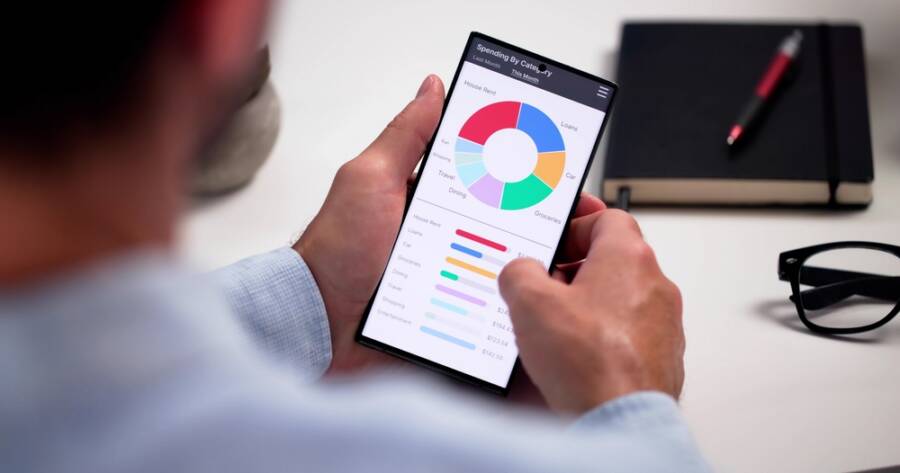
Managing monthly expenses can feel overwhelming, especially when money moves in and out of multiple accounts. Bills, subscriptions, and everyday spending can quickly become hard to track without a clear system. Budgeting apps are designed to simplify the process by organizing your finances in one place. The right app can help you see patterns, control spending, and stay consistent. By choosing a tool that fits your habits, you can make managing money much easier.
Why Budgeting Apps Make a Difference
Budgeting apps help you track and categorize your spending automatically. Many of them connect to your bank accounts, which allows you to see all your financial activity in one place. This reduces the need for manual tracking and gives you a clearer picture of your monthly expenses.
They also help you spot patterns. Instead of guessing where your money goes, you can see how much you spend on categories like food, bills, or entertainment. This visibility makes it easier to adjust your habits and stay within your limits.
YNAB for Structured, Hands-On Budgeting
You Need a Budget, often called YNAB, is built around a clear system where every dollar is assigned a purpose. This method, known as zero-based budgeting, encourages you to plan ahead instead of reacting to spending after it happens.
This app works best for people who want a more active role in managing their money. It requires regular input and review, but it provides strong control over your finances. For users who want to build disciplined habits, this approach can be very effective.
EveryDollar for Simple, Goal-Focused Planning
EveryDollar is designed to make budgeting straightforward and easy to follow. It also uses a zero-based system but presents it in a simpler format. You start by entering your income and then assign it to different categories.
This app is useful for people who want a clear plan without too many extra features. It focuses on helping you stay organized and work toward financial goals. The simplicity makes it easier to stay consistent over time.
Rocket Money and PocketGuard for Expense Awareness
Some apps focus more on tracking and awareness than strict budgeting. Rocket Money and PocketGuard fall into this category. They help you monitor spending, identify subscriptions, and see how much money you have available after expenses.
These apps are helpful for users who want a lighter approach. Instead of building a detailed budget, you get a clear overview of your finances. This can be a good starting point for improving habits without adding too much structure.
Monarch and Simplifi for Flexible Budgeting
Monarch Money and Quicken Simplifi are designed for flexibility. They allow you to customize categories, track multiple accounts, and adjust your budget as needed.
These apps are well-suited for people who want more control without strict rules. You can track spending, set goals, and adjust your system over time. This makes them a good fit for households or individuals with changing financial needs.
Choosing the Right App for Your Style
The best budgeting app depends on how you prefer to manage money. Some people want detailed control, while others prefer a simple overview. The key is to choose an app that matches your habits.
For example, if you like structure and planning, a zero-based system like YNAB or EveryDollar may work best. If you prefer automation and insights, apps that focus on tracking may be a better fit. Choosing the right style increases the chances that you will stick with it.
Avoiding Common Mistakes with Budgeting Apps
One common mistake is choosing an app that is too complex. While advanced features can be helpful, they can also make the process harder to maintain. Simpler tools are often more effective because they are easier to use consistently.
Another issue is not using the app regularly. Even the best tool will not help if it is ignored. Setting a weekly check-in can help you stay engaged and make small adjustments as needed.
Building Consistency with the Right Tool
Budgeting apps are most effective when they are part of a routine. Checking your spending regularly and updating your categories helps reinforce good habits. Over time, this consistency makes managing your money feel more natural.
Automation can also help. Many apps allow you to set reminders or automatically track transactions. This reduces the effort required and makes it easier to stay on track without constant attention.
Finding a System You’ll Actually Use
Budgeting apps can make managing monthly expenses much easier, but the key is finding one that fits your lifestyle. Whether you prefer a structured system or a simple overview, the right tool can help you stay organized and aware of your spending.
The goal is not to use the most advanced app, but to use one consistently. With the right approach, a budgeting app can turn a complex process into a simple routine, helping you build better financial habits over time.