

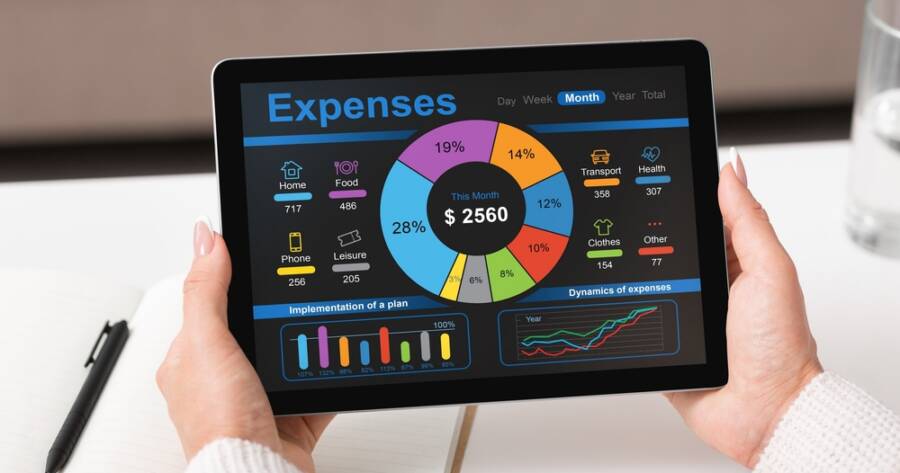
Many people feel like their money disappears without a clear reason. Bills are paid, but there never seems to be much left over. It often happens because small, repeated expenses go unnoticed. Using spending categories can help you see exactly where your money is going. Instead of guessing, you can identify patterns and find areas that need attention. With a simple system, it becomes much easier to spot hidden money leaks and take control of your finances.
Start with Broad, Simple Categories
The first step is to group your spending into a few clear categories. You do not need a long list. Start with broad areas like housing, food, transportation, bills, and personal spending. Keeping it simple makes the system easier to maintain.
These categories give you a high-level view of your finances. Instead of focusing on every small purchase, you can see how much you are spending in each area overall. This makes it easier to notice when one category starts to grow more than expected.
Look for Patterns, Not Single Purchases
A single purchase rarely causes a financial problem. The issue is usually repeated spending over time. This is why categories are useful. They help you spot patterns instead of isolated transactions.
For example, one takeout meal may not seem like much, but multiple meals in the same week can add up quickly. When grouped under one category, these patterns become easier to see. This shift in perspective helps you focus on habits rather than one-time decisions.
Identify Categories That Drift Over Time
Some categories naturally change, but others may slowly increase without you noticing. This is where many hidden money leaks happen. Expenses like subscriptions, dining out, or convenience purchases can grow gradually.
By reviewing your categories regularly, you can catch these changes early. If a category keeps increasing month after month, it may be a sign that spending habits have shifted. Recognizing this early gives you a chance to adjust before it becomes a larger issue.
Separate Needs from Flexible Spending
Not all spending is equal. Some categories, like rent or utilities, are fixed and necessary. Others, like entertainment or shopping, are more flexible. Separating these types of expenses helps you understand where you have control.
This distinction makes it easier to spot leaks. If your fixed costs are stable but your flexible spending keeps rising, you know where to focus. It also helps you make adjustments without affecting essential parts of your budget.
Watch for “Small but Frequent” Expenses
Many money leaks come from small purchases that happen often. These might include snacks, app purchases, or quick stops for coffee. Individually, they may seem minor, but together they can have a noticeable impact.
Spending categories make these patterns visible. When you see a total amount for these small expenses, it becomes easier to understand their effect. This awareness often leads to more mindful decisions without needing strict rules.
Use Weekly Reviews to Stay Aware
Tracking spending once a month can make it harder to catch issues early. A weekly check-in is often more effective. It allows you to review your categories while the details are still fresh.
During this review, you can quickly see where your money has gone and whether any category is higher than expected. This regular habit helps you stay aware without feeling overwhelmed. It also makes it easier to adjust your spending in real time.
Look Beyond Standard Categories for Hidden Spending
Most budgets focus on common categories like groceries, rent, and transportation, but some of the biggest money leaks happen in less obvious areas. Creating custom categories such as “convenience spending,” “auto-renewals,” or “one-click purchases” can reveal patterns that standard labels miss. These smaller, scattered expenses often feel harmless on their own but can add up quickly over time.
Another useful approach is tracking “low-attention spending,” which includes purchases made quickly without much thought, such as app purchases, delivery fees, or small add-ons at checkout. By grouping these types of expenses into their own category, you can clearly see how much is slipping through unnoticed and make more intentional decisions moving forward.
Turning Insight into Better Financial Habits
Using spending categories is a simple but powerful way to understand where your money goes. By grouping expenses, reviewing patterns, and separating needs from flexible spending, you can uncover hidden money leaks that might otherwise go unnoticed.
The goal is not perfection, but clarity. With regular check-ins and small adjustments, you can take control of your spending and make more intentional decisions. Over time, this awareness can lead to stronger financial habits and a greater sense of confidence in how you manage your money.