

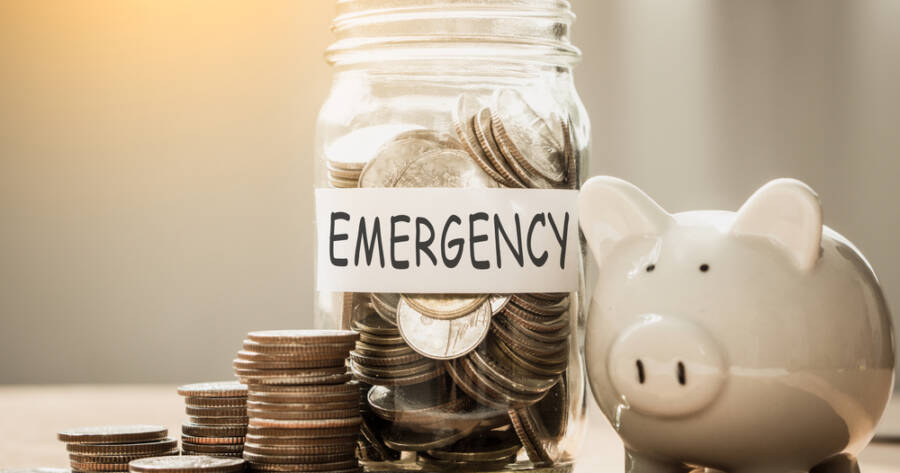
Unexpected expenses can happen at any time, from car repairs to medical bills or sudden job changes. Without a financial cushion, urgent situations can quickly become stressful. An emergency fund helps protect you from relying on credit or disrupting your long-term plans. Even if you are starting with nothing, building a small safety net is possible with consistent steps. The key is to focus on simple habits that make saving manageable and realistic over time.
Start with a Clear and Realistic Goal
When building an emergency fund from scratch, the first step is setting a goal that feels achievable. Instead of focusing on a large number right away, start with a smaller target. This could be enough to cover a few basic expenses or handle a minor emergency.
Breaking the goal into smaller steps makes the process less overwhelming. As you reach each milestone, it becomes easier to stay motivated. Over time, these smaller wins build momentum and help you grow your savings steadily.
Separate Your Savings from Daily Spending
Keeping your emergency fund separate from your everyday money is an important step. When savings are mixed with your regular account, it becomes easier to spend without realizing it. A separate account helps create a clear boundary.
This separation also makes your progress more visible. Seeing your emergency fund grow in its own space can be encouraging. It reinforces the idea that this money has a specific purpose and should only be used when truly needed.
Build Consistency with Small Contributions
Starting from scratch does not require large deposits. Small, regular contributions can add up over time. Setting aside a fixed amount each week or month helps build a habit of saving.
Consistency matters more than the size of each contribution. Even small amounts can grow into a meaningful fund if you stay committed. Over time, saving becomes part of your routine rather than something you have to think about.
Use Automation to Stay on Track
Automating your savings can make the process much easier. Setting up automatic transfers ensures that money is moved into your emergency fund without relying on memory or motivation.
This approach removes the need to make repeated decisions. Once the system is in place, your savings continue to grow in the background. Automation helps reduce the chance of skipping contributions and keeps your progress steady.
Identify and Redirect Extra Money
Another way to build your emergency fund is by using money that is already part of your budget. This might include cutting back on non-essential spending or redirecting small amounts that would otherwise go unnoticed.
For example, unused subscriptions or occasional extra income can be directed into your savings. These adjustments do not require major lifestyle changes but can still support steady progress over time.
Protect Your Fund from Unnecessary Use
An emergency fund is meant for real and unexpected situations, not everyday spending. It is important to define what counts as an emergency so you do not use the money too quickly.
Having clear guidelines helps you stay disciplined. This might include using the fund only for urgent needs like repairs, medical costs, or essential bills. Protecting your savings ensures that it will be there when you truly need it.
Adjust and Grow Over Time
As your financial situation changes, your emergency fund should grow as well. Once you reach your initial goal, you can continue building toward a larger cushion that covers more expenses.
Reviewing your progress regularly helps you stay on track. If your income increases or your expenses change, adjusting your savings plan can keep your fund aligned with your needs. This ongoing approach supports long-term financial stability.
Building Security One Step at a Time
Creating an emergency fund from scratch is a gradual process, but it provides lasting benefits. By starting small, staying consistent, and protecting your savings, you can build a financial safety net that reduces stress and improves stability.
The goal is not to save everything at once, but to create a system that works over time. With steady effort and simple strategies, your emergency fund can grow into a reliable resource that supports you when unexpected situations arise. Over time, this simple habit can give you greater confidence and peace of mind in your daily financial decisions.